David Wells

Texas A&M-Galveston’s Dr. David Wells Named 2020 EDGES Fellow

Oct 6, 2020 • 3 min. readTexas A&M University at Galveston is excited to announce our very own Associate Professor Dr. David Wells ’02 of the Department of Marine Biology has been named a 2020 Chancellor Enhancing Development and Generating Excellence in Scholarship (EDGES) Fellow.
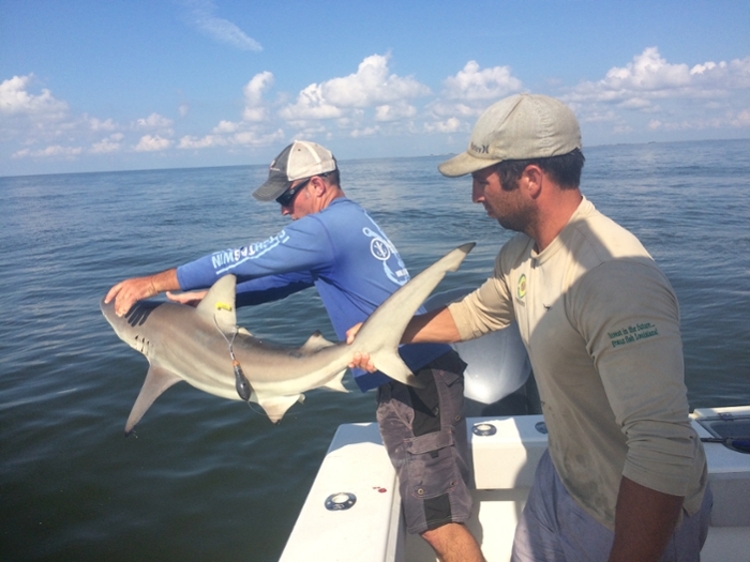
Texas A&M-Galveston Shark Study Aims to Help Anglers Avoid Accidental Animal Death
Jun 10, 2020 • 4 min. readGive a man a fish and you feed him for a day; teach a man to fish and you feed him for a lifetime, goes the old adage. But even more important is the experience level of the fisher — the better the fisher, the better the chance the shark on the other end of the line will live to swim another day.
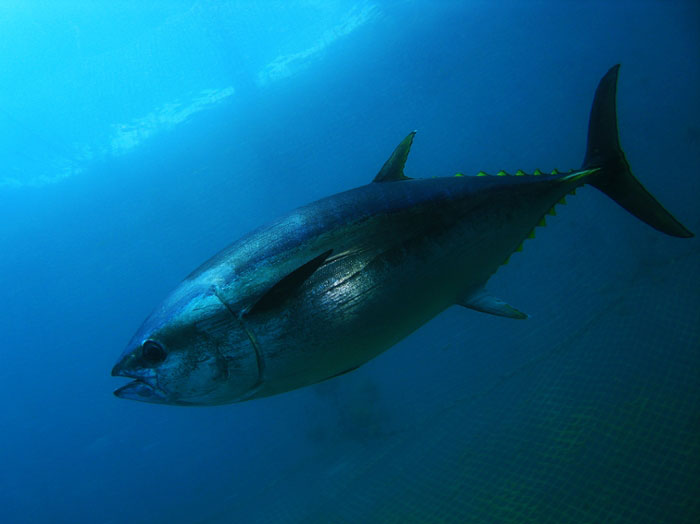
Team Tracks Tuna Using Ear Bones
Feb 7, 2020 • 3 min. readIf tuna truly was the chicken of the sea, Dr. David Wells would have no need to have done extensive research on the subject.
TAMUG Professor Awarded Fulbright Fellowship in New Zealand
Jan 25, 2019 • 3 min. readDr. David Wells, associate professor in the Department of Marine Biology at Texas A&M University at Galveston, is heading south to study Pacific Bluefin Tuna in the waters around New Zealand, in support of a joint U.S./New Zealand Fulbright Fellowship.
Texas A&M Galveston Shark Tagging Project Could Reveal Key Secrets
Oct 17, 2017 • 2 min. readShark populations can fluctuate widely, and largely depend upon a number of factors including fishing pressure. A Texas A&M University at Galveston researcher hopes his project can help provide additional information on how fishing activities impact sharks in the Gulf of Mexico.
Texas A&M University at Galveston Receives Grants to Study Sharks & Ancient Hurricanes in Partnership with Universities in Mexico
Oct 19, 2016 • 2 min. readTwo Texas A&M University at Galveston researchers have been awarded grants to conduct work on marine science and marine biology projects.
National Shark Awareness Q&A with Dr. David Wells
Jul 14, 2016 • 6 min. readDr. David Wells is an assistant professor and head of the Shark Biology and Fisheries Science Lab at Texas A&M University at Galveston.
Texas A&M University At Galveston Researcher Hopes To Tag As Many As 50 Sharks In The Gulf Of Mexico
Oct 13, 2015 • 2 min. readIn one of the most ambitious projects of its kind, a Texas A&M University at Galveston researcher hopes to tag as many as 50 sharks in the Gulf of Mexico to learn more about their feeding habits and behavior.
Texas A&M University at Galveston researchers awarded $1.9 million to study deep-ocean fauna in the Gulf of Mexico
Nov 20, 2014 • 2 min. readDr. Jay Rooker, Dr. David Wells and Dr. Ron Eytan of Texas A&M Galveston Marine Biology are co-investigators on a research consortium led by Dr. Tracey Sutton from Nova Southeastern University Oceanographic Center, in Fort Lauderdale, Florida.